Swarming Information
From the beginning of May to about the end of July, one of the main activities for a beekeeper is swarm prevention. Swarming is the way that honeybees multiply the species and consists of a Queen honeybee leaving the original colony accompanied by, on average, about 15-20,000 other bees. As a result, the original hive is depleted of foraging bees and honey production is slowed considerably.
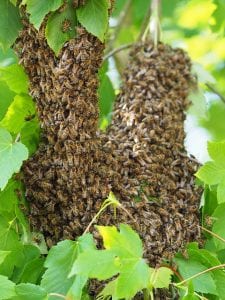
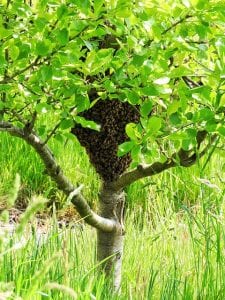
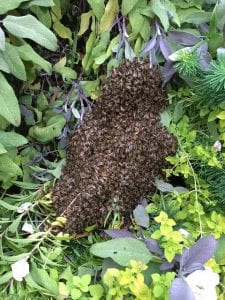
I have a swarm of bees, what should I do?
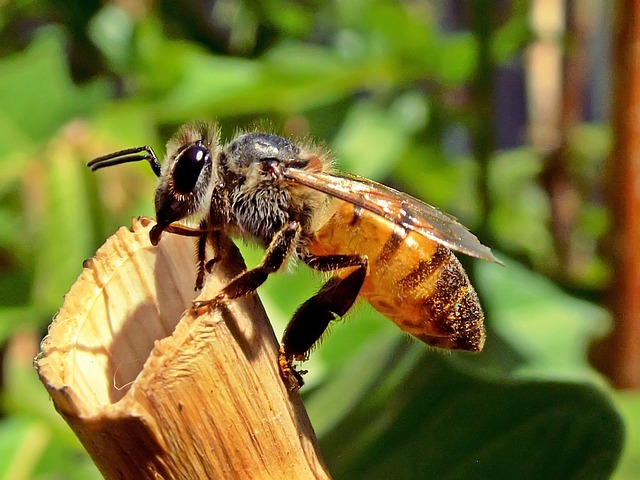
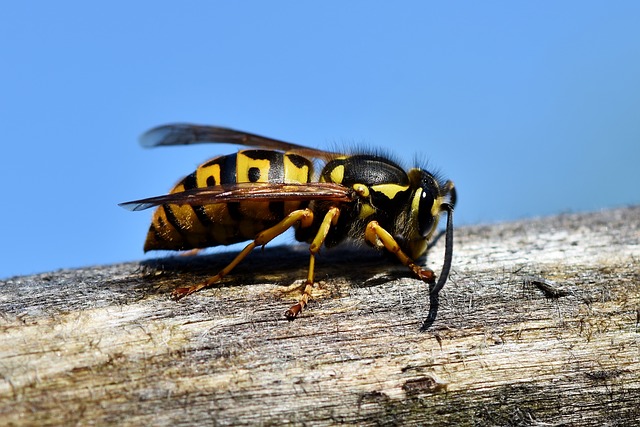
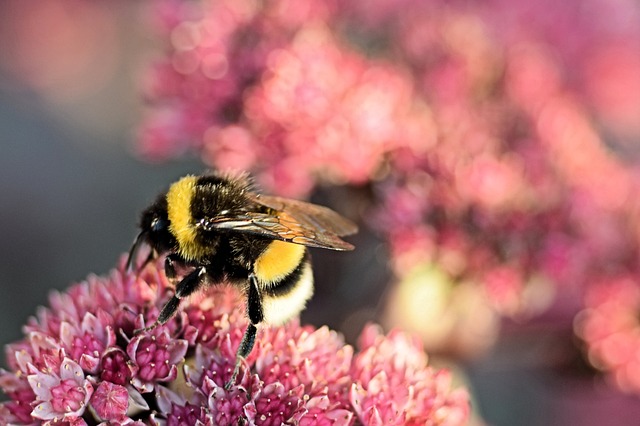
First, check if what you have are bees or wasps. This may sound rather obvious, but it is an easy mistake to make. Wasps and honey bees are about the same size, but wasps have alternating black and bright yellow body stripes. Honey bees are brown, with paler brown or dirty yellow bands on the body. Can you come and collect the swarm?
The main thing is not to approach or annoy them. If it is in your garden and away from members of the public, contact a local beekeeper (local beekeepers for swarms). If you cannot manage to do this, please contact your local Environmental Office, who will be able to assist you. If all else fails, contact your local Police Office, who may have a list of local beekeepers, whom they can contact.
See our beekeepers for swarms page for contact details of beekeepers who may be willing to collect swarms.